
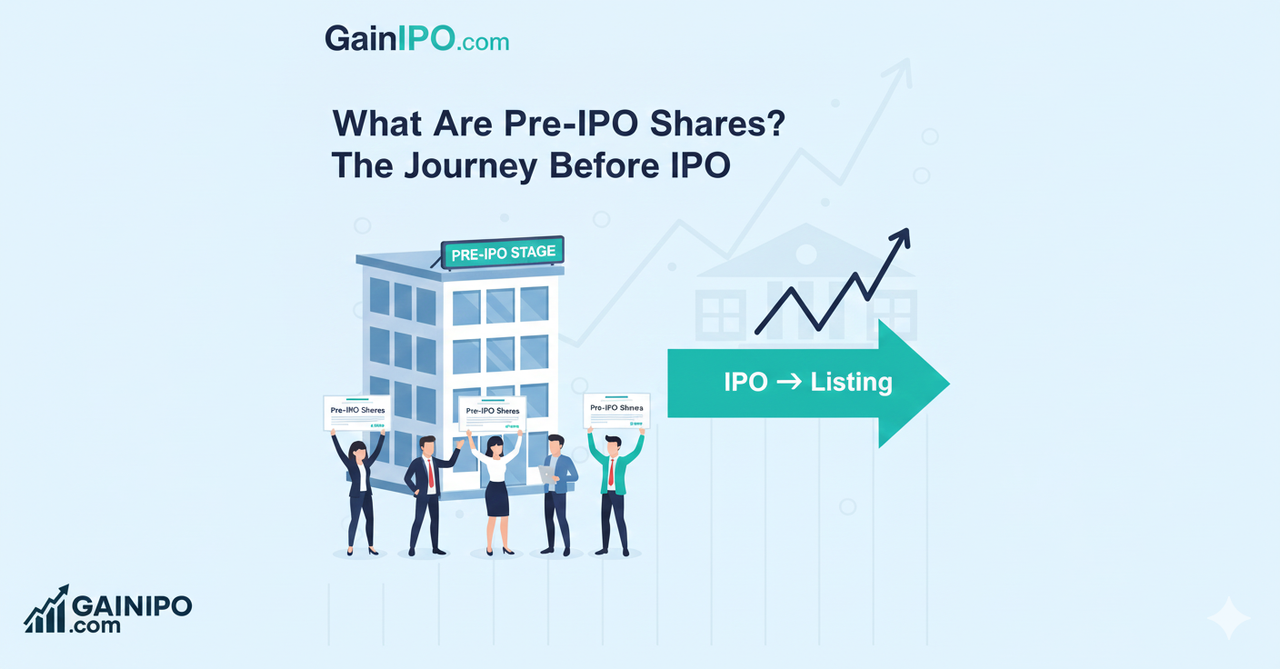
What Are Pre-IPO Shares? Complete Beginner-to-Advanced Guide (2025)

Introduction
Have you ever wondered how some investors make huge profits before a company even hits the stock market?
The secret is: Pre-IPO Shares.
These are shares of a private company bought before the IPO, often at a lower valuation. Big institutions, VCs, and now even retail investors (through platforms) try to buy these shares early and benefit when the company lists.
This guide will break down Pre-IPO shares using simple examples, real Indian stories, and beginner-friendly explanations.
What Are Pre-IPO Shares?
Pre-IPO shares are stock of a company that is not listed yet — basically, ownership in a private company before it launches its IPO.
These can come from:
- Founders
- Employees (ESOPs)
- Angel investors
- Venture capital funds
- Early-stage investors
- Institutions
- HNI sellers
When a company grows and plans for IPO, many early investors choose to sell a part of their holdings in the private market. Other investors buy these shares hoping for listing gains when the IPO happens.
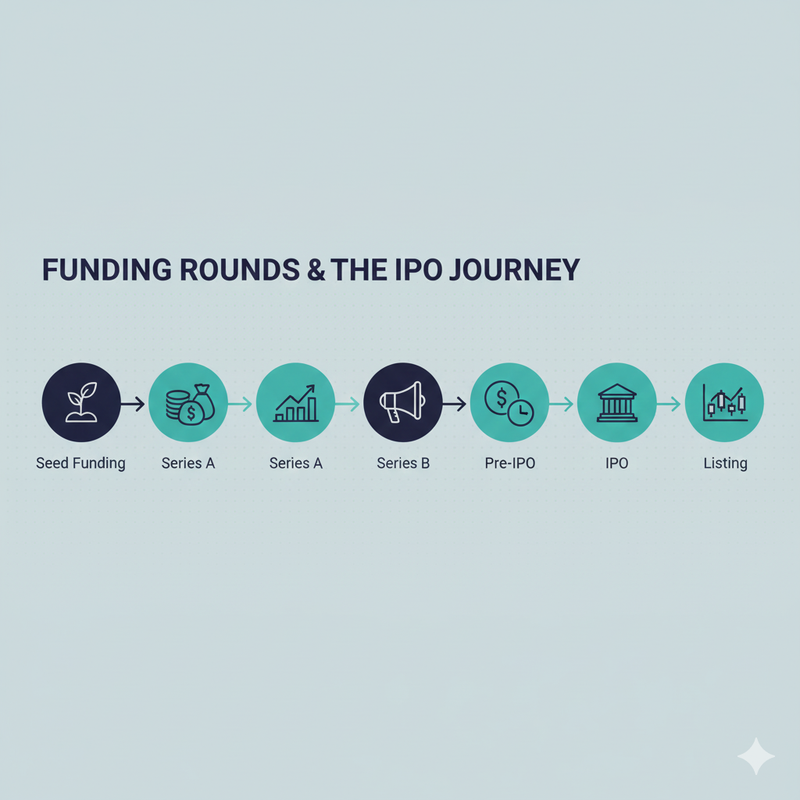
How Do Pre-IPO Shares Work? Explained Simply
Let’s imagine a fast-growing Indian company called FreshKart, preparing for an IPO.
📌 Stage 1: Early Days
Founders + early investors fund and build the business.
📌 Stage 2: Growth Stage
VCs invest and get equity at a negotiated valuation.
📌 Stage 3: Pre-IPO Stage
When the company is 12–24 months from an IPO, early investors or employees may want to sell their shares.
📌 Stage 4: Pre-IPO Market
Platforms, dealers, or private networks list these shares.
Example:
An employee holding 5,000 shares sells them for ₹150 per share.
📌 Stage 5: IPO
IPO price is set at ₹200.
📌 Stage 6: Listing Day
The stock lists at ₹330.
Here, a Pre-IPO buyer earns:
Profit = 330 – 150 = ₹180 per share
This is why Pre-IPO investing attracts sophisticated investors.
Who Sells Pre-IPO Shares?
✔️ Employees
They get ESOPs and later convert them into shares to sell.
✔️ Venture Capital / PE Firms
They book partial profits before IPO.
✔️ Early Angels
Exit after 5–10 years of investment.
✔️ Founders
Rarely, but sometimes sell <5% for liquidity.
✔️ Family Offices
Often rebalance before IPO.
These sellers create supply for the Pre-IPO market.

Where Do Investors Buy Pre-IPO Shares?
Pre-IPO shares are available through:
- Private equity brokers
- Unlisted markets
- Startup equity platforms
- Family office networks
- ESOP marketplaces
- HNI dealer groups
- Wealth desks
- Investment bankers
- Platforms showcasing curated pre-IPO data
👉 Like GAINIPO: https://gainipo.com/pre-ipo
Why Do Investors Buy Pre-IPO Shares?
⭐ 1. Lower Valuation Entry Point
Buying before IPO often means buying at a lower valuation.
⭐ 2. Higher Listing Gain Potential
If IPO is strong, listing returns can be massive.
⭐ 3. Early Access to High-Quality Companies
Investors get access before public markets.
⭐ 4. Diversification
Exposure to growing private companies.
⭐ 5. Liquidity Opportunity at IPO
Shares can be sold after listing (post lock-in).
Lock-in Rules for Pre-IPO Shares (Very Important!)
This is the part most beginners get wrong.
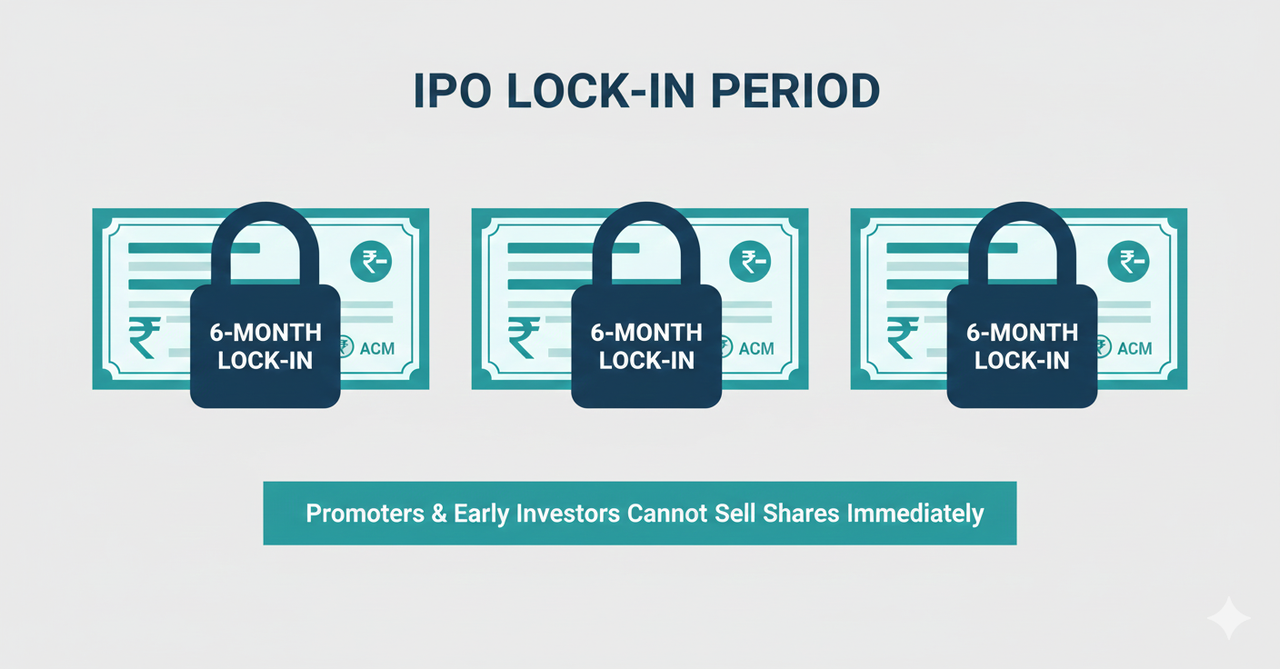
🔒 1. 6-Month Lock-in for Pre-IPO Investors
SEBI mandates that Pre-IPO shareholders must hold shares for 6 months after listing.
This means:
- If you buy Pre-IPO today
- Company lists after 2 months
- You still cannot sell until 8 months total
🔒 2. ESOP Lock-in
Employees converting ESOPs also face lock-in.
🔒 3. Promoter Shares
Promoters face a longer lock-in.
This makes Pre-IPO investing less liquid — but often more profitable long-term.
Risks in Pre-IPO Investing
Many people think Pre-IPO = guaranteed profit.
That is wrong.
Here are the actual risks:
⚠️ 1. No Liquidity
You cannot exit before IPO or lock-in expiry.
⚠️ 2. IPO May Get Delayed
Many companies postpone IPOs due to markets.
⚠️ 3. IPO May Get Cancelled
If this happens, your exit becomes extremely difficult.
⚠️ 4. Price May Fall Even After IPO
Even a hyped IPO can list at discount.
⚠️ 5. Limited Transparency
Private companies don’t disclose everything publicly.
⚠️ 6. Counterparty Risk
Unlisted market involves private transactions → need trusted platforms.
Real-Life Indian Example: Tata Technologies (2023)
This is one of the best-known Pre-IPO success stories.
- Pre-IPO price traded around: ₹240–260
- IPO price: ₹500
- Listing price: ₹1,200+
Even after a mandatory 6-month lock-in, investors made a 4–5x gain.
This example shows the power — and patience — required in Pre-IPO investing.
Checklist Before Buying Pre-IPO Shares
Use this 9-step checklist to avoid mistakes:
- Check company financials
- Read DRHP/RHP
- Verify who is selling
- Check lock-in requirements
- Know the minimum investment size
- Buy only from verified platforms
- Understand valuation
- Track IPO timeline
- Compare with peers in listed markets
Conclusion
Pre-IPO shares offer a unique opportunity to invest in a company before the stock market discovers it. While returns can be extraordinary, the risks and lock-ins are equally real.
For beginners and retail investors:
👉 Track Pre-IPO companies
👉 Understand lock-in
👉 Evaluate fundamentals
👉 Buy only from trusted platforms
👉 Never invest blindly for hype
GAINIPO gives you clean, updated, beginner-friendly data on top Pre-IPO companies in India, so you can make informed decisions.
FAQs
1. Are Pre-IPO shares legal in India?
Yes. Buying/selling Pre-IPO shares is legal but unregulated. Transactions happen privately.
2. Can retail investors buy Pre-IPO shares?
Yes. Many platforms allow retail participation, though minimum investment size may be higher.
3. What is the lock-in period for Pre-IPO shareholders?
All Pre-IPO investors have a 6-month SEBI lock-in after listing.
4. What happens if the IPO gets delayed?
You remain a shareholder until IPO; liquidity may become very limited.
5. Can Pre-IPO shares be sold before IPO?
Yes, but only privately, and usually at a discount due to low liquidity.
6. Are Pre-IPO shares risky?
Yes — due to lock-in, delays, limited information, and no guaranteed IPO listing.
7. Where can I track the best Pre-IPO opportunities?
You can check curated Pre-IPO companies here:
👉 https://gainipo.com/pre-ipo